Home/Blog/Best Conference Hotels in Copenhagen 2026: MICE Planner's Sh…
VENUE
Best Conference Hotels in Copenhagen 2026: MICE Planner's Shortlist
ET
Easy RFP Team
MAY 25, 2026 · 6 MIN READ
📖 9 min read
VENUE
The 12 Top MICE-Ready Conference Hotels in Copenhagen
From our curated database of 55 Copenhagen MICE-ready hotels, here are the top 12 ranked by star rating, on-site meeting capacity, and verified guest reviews. Each property is classified MICE-ready, has meeting space, and can receive a direct RFP through Easy RFP in under five minutes.
Copenhagen is the most expensive MICE destination in Northern Europe and also one of the most reliable for design-conscious corporate events. Danish hotels are consistently well-run, Nordic design sensibility is embedded in the product rather than decorative, and the city is compact and efficient to navigate. Corporate Copenhagen works best for events where quality signalling matters more than budget, and where a compelling city experience is part of the delegate value proposition.
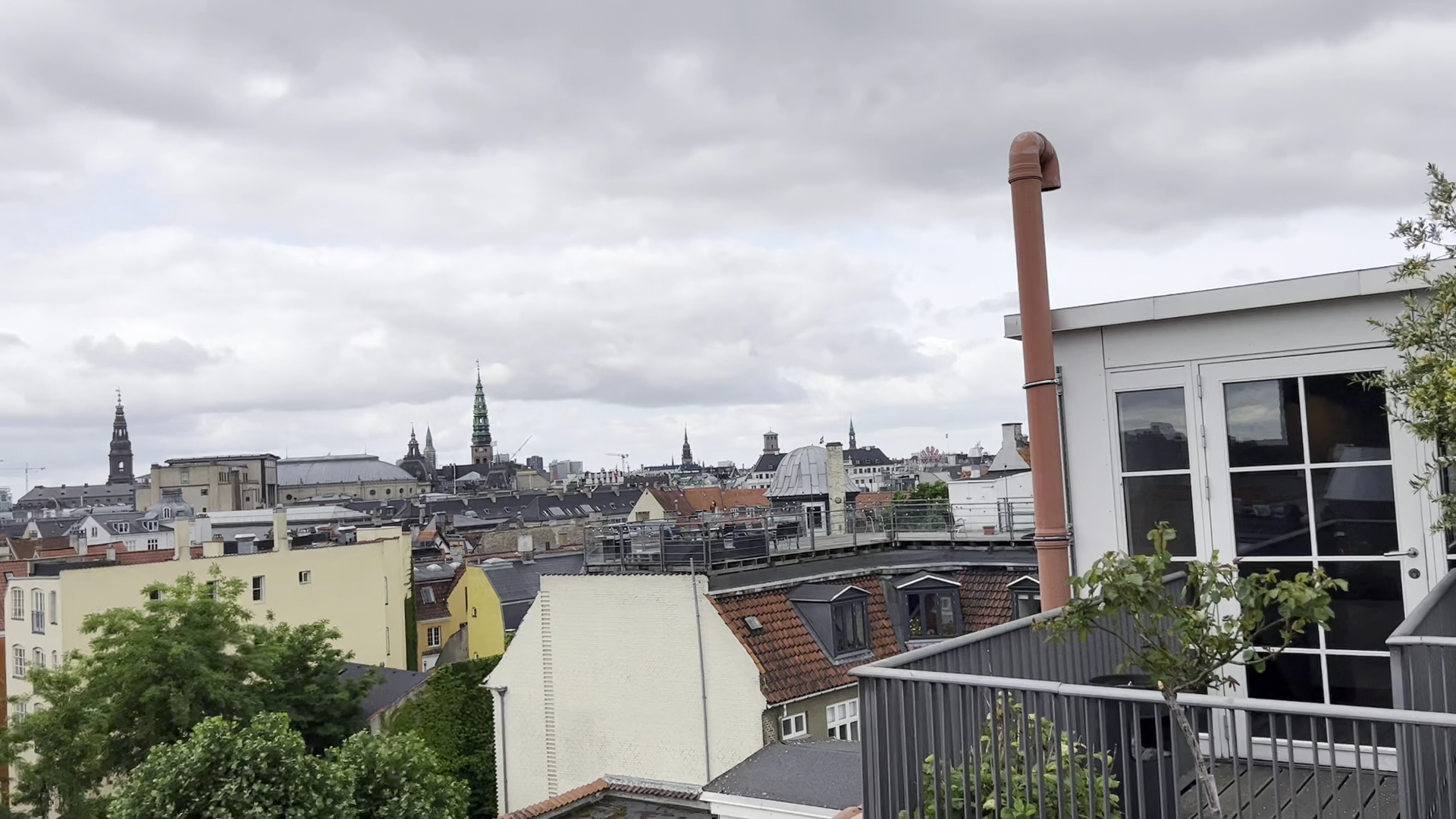
What separates Copenhagen from Oslo or Stockholm is the density of genuinely distinctive hotels in the city centre. You are not choosing between five versions of the same business hotel. You are choosing between a 19th-century royal hotel on Kongens Nytorv, a boutique property inside a converted 1920s building behind the Latin Quarter, and a sustainability-certified design hotel in Vesterbro that was featured in Dezeen three times since opening. That variety gives planners real options for matching the hotel to the event identity.
Three Copenhagen MICE corridors
1. Indre By / Nyhavn (historic city centre)
The historic core of Copenhagen: Strøget shopping street, Nyhavn canal (the painted harbourfront houses that appear on every Copenhagen photo), Tivoli Gardens, Christiansborg Palace, and Kongens Nytorv. Hotels in this corridor sit in protected historic buildings, which means smaller footprints and limited conference capacity for large-scale plenaries, but an atmosphere that no purpose-built conference hotel can replicate.
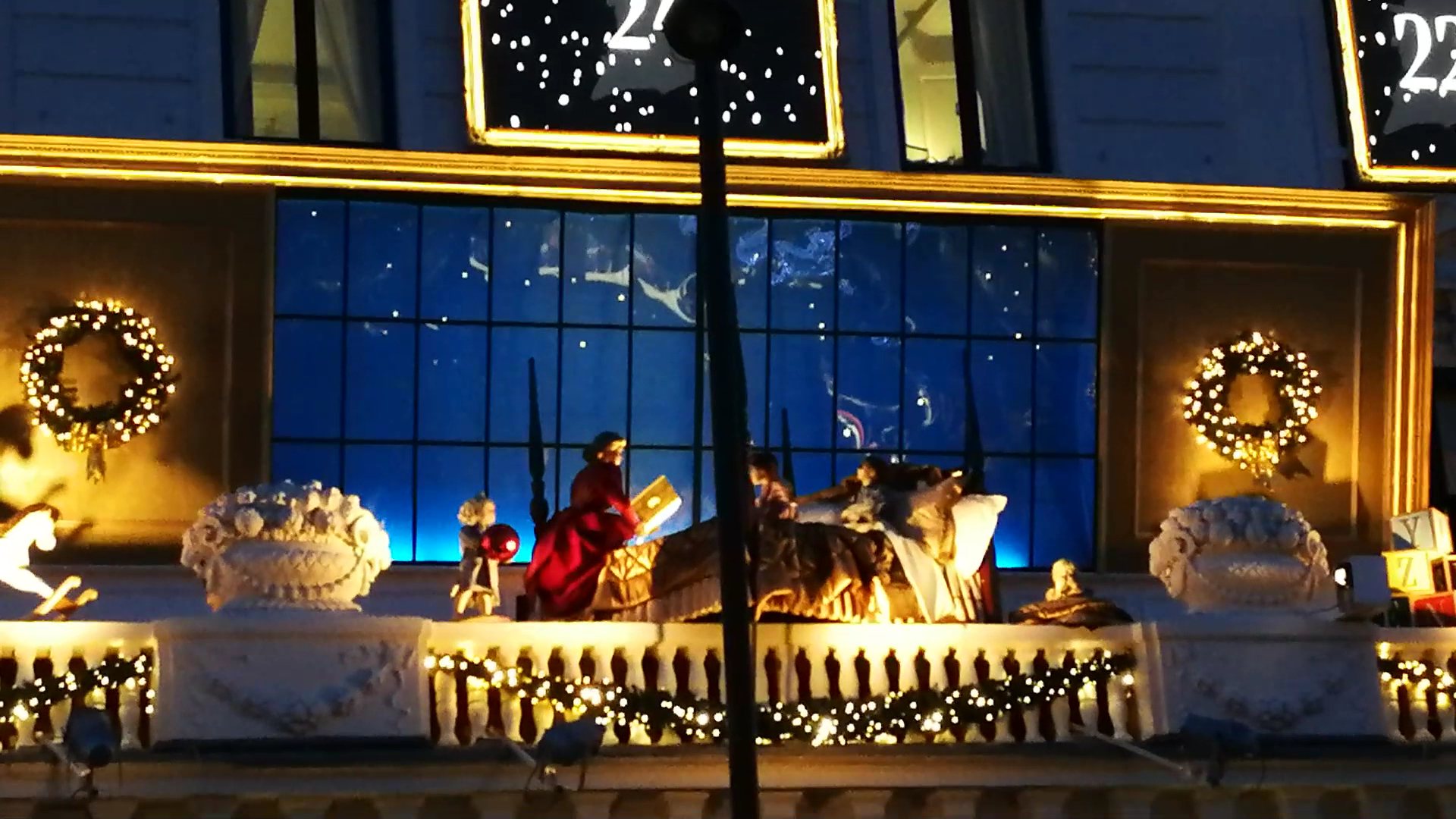
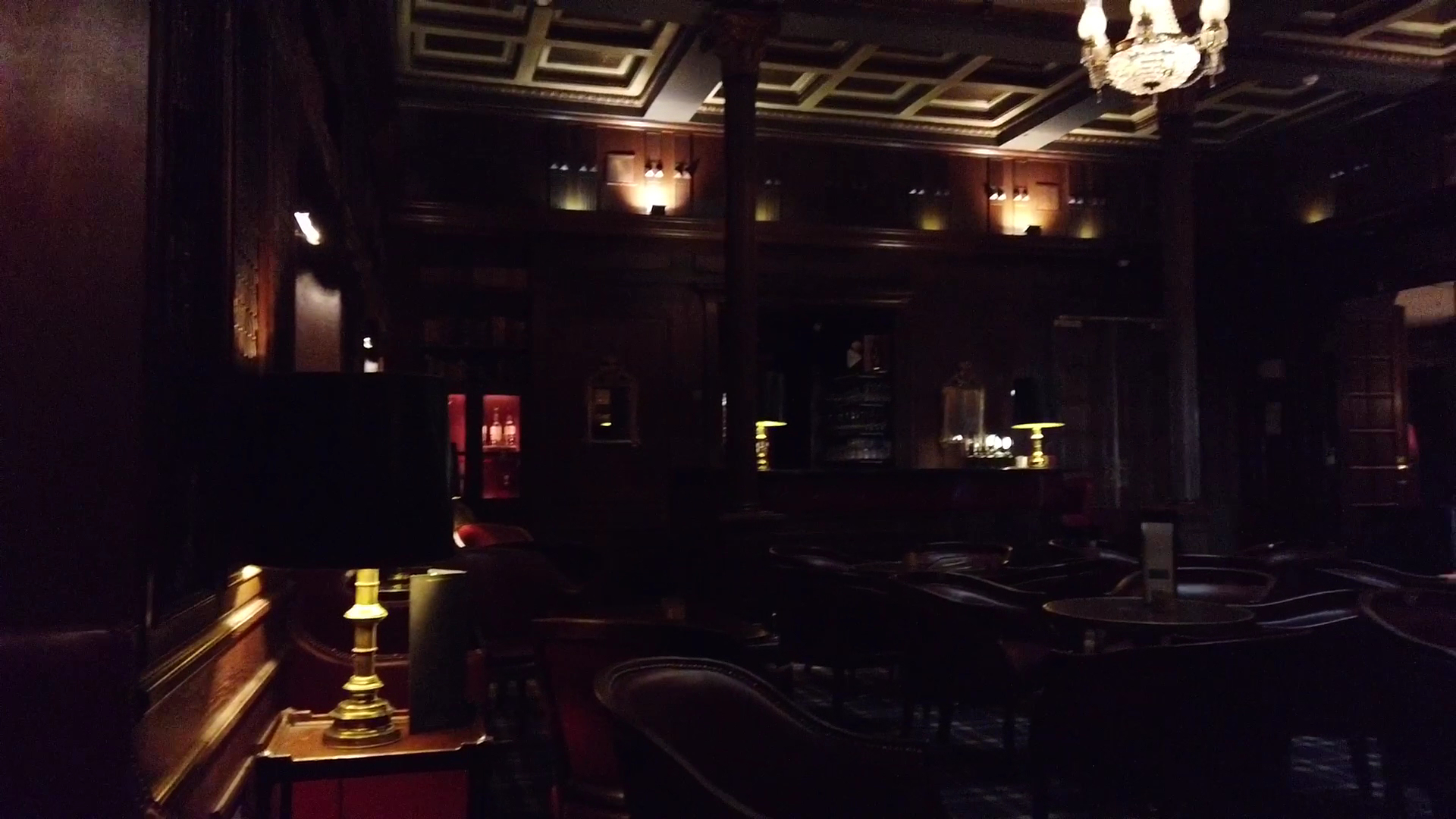
Hotel d'Angleterre, positioned directly on Kongens Nytorv since 1755, is the address of choice for executive-level events where the property itself is a signal. Nimb Hotel inside Tivoli Gardens is a more intimate option that offers exclusive access to the Tivoli grounds for evening programmes. Both command significant premiums but deliver experiences that compete on a different axis than standard conference hotels.
For smaller groups (15 to 60 pax) prioritising a curated Copenhagen experience, Indre By is the natural shortlist. The neighbourhood is walkable, restaurant density is exceptional, and the canal waterfront provides a guaranteed visual backdrop for any evening reception.
Best for: executive offsites (20 to 80 pax), board meetings, client entertainment events, luxury incentive programmes, small leadership retreats where the hotel setting is part of the message.
Rate pattern: premium year-round. Spikes during Copenhagen Fashion Week (early February, early August) and any period when Bella Center hosts a major trade show that fills city-wide stock. Softens meaningfully in mid-January and late July.
Typical properties: Hotel d'Angleterre, Nimb Hotel, Hotel Sanders, Skt Petri, Hotel Kong Arthur, Hotel Nyhavn 71, Villa Copenhagen.
2. Ørestad / Bella Center (conference and airport corridor)
South of the city centre, the Ørestad district was built from scratch in the 2000s as a planned urban expansion linked to the metro. Bella Center, Denmark's largest convention venue at over 75,000 square metres of usable space, anchors the area. AC Hotel Bella Sky Copenhagen sits directly connected to Bella Center by a covered walkway, making it the default choice for any event that needs to keep delegates in one place.
The corridor's defining advantage is its relationship to Copenhagen Airport. The metro line that connects Bella Center to the airport takes 10 minutes and runs every 4 to 6 minutes. For events with international delegates arriving across a wide time window, that convenience is worth more than the slight distance from city-centre attractions. Many large European medical and technology conferences have made Bella Center their standing Copenhagen venue specifically for this reason.
The tradeoff is atmosphere. Ørestad is functional and efficient but not particularly characterful. Evening programmes require bussing delegates into the city centre or arranging onsite entertainment, which adds cost. For day-heavy conferences where delegates will primarily be in sessions, this is not a real concern. For incentive-style events or anything where the city experience is central to the programme, this corridor works better as overflow accommodation than as the primary property.
Best for: large conferences (300 to 3,000 pax), medical and pharma congresses, technology trade events, fly-in-fly-out formats where airport proximity drives the site decision.
Rate pattern: moderate with sharp spikes during Bella Center trade shows. Base rates run 15 to 25 percent below equivalent Indre By categories. During sold-out trade show weeks, rates can double.
Typical properties: AC Hotel Bella Sky Copenhagen, CABINN Metro Hotel, Comfort Hotel Copenhagen Airport, Clarion Hotel Copenhagen Airport.
3. Vesterbro / Frederiksberg (design and creative)
West of the historic centre, Vesterbro has transitioned from a working-class neighbourhood to Copenhagen's most creatively active district. The Meatpacking District (Kødbyens) concentrated design studios, independent restaurants, and creative agencies. Frederiksberg, the independent municipality that sits within Copenhagen, adds green space (Frederiksberg Have) and a quieter residential character to the zone.
Hotels in this corridor tend to be mid-market to boutique with a strong design vocabulary. Axel Guldsmeden is a flagship of the Guldsmeden group, which built its brand on certified organic hospitality and sustainability-first operations long before those became standard expectations. Scandic Copenhagen, the largest property in the zone, offers genuine conference capacity (up to 350 pax in its main hall) with good AV infrastructure and competitive group rates.
For events where budget is more constrained but design context still matters, Vesterbro is the pragmatic choice. You get the Copenhagen aesthetic and a neighbourhood that rewards walking around, at rates typically 20 to 30 percent below Indre By comparables.
Best for: corporate offsites (60 to 200 pax), agency and creative sector events, product launches targeting Nordic design credentials, events where sustainability certification is a procurement requirement.
Rate pattern: 20 to 30 percent below Indre By at equivalent star categories. Less affected by Bella Center trade show weeks, which is a minor advantage for planners booking in high-demand periods.
Typical properties: Scandic Copenhagen, Hotel Alexandra, Axel Guldsmeden, First Hotel Copenhagen, Imperial Hotel.
Which corridor for which event type
Executive offsite, 30 to 80 pax, Nordic luxury. Hotel d'Angleterre or Nimb Hotel. Both are category-defining properties that require no explanation to delegates.
Conference, 300 to 2,000 pax. Bella Sky plus Bella Center. It is the only realistic option in Copenhagen for that capacity range.
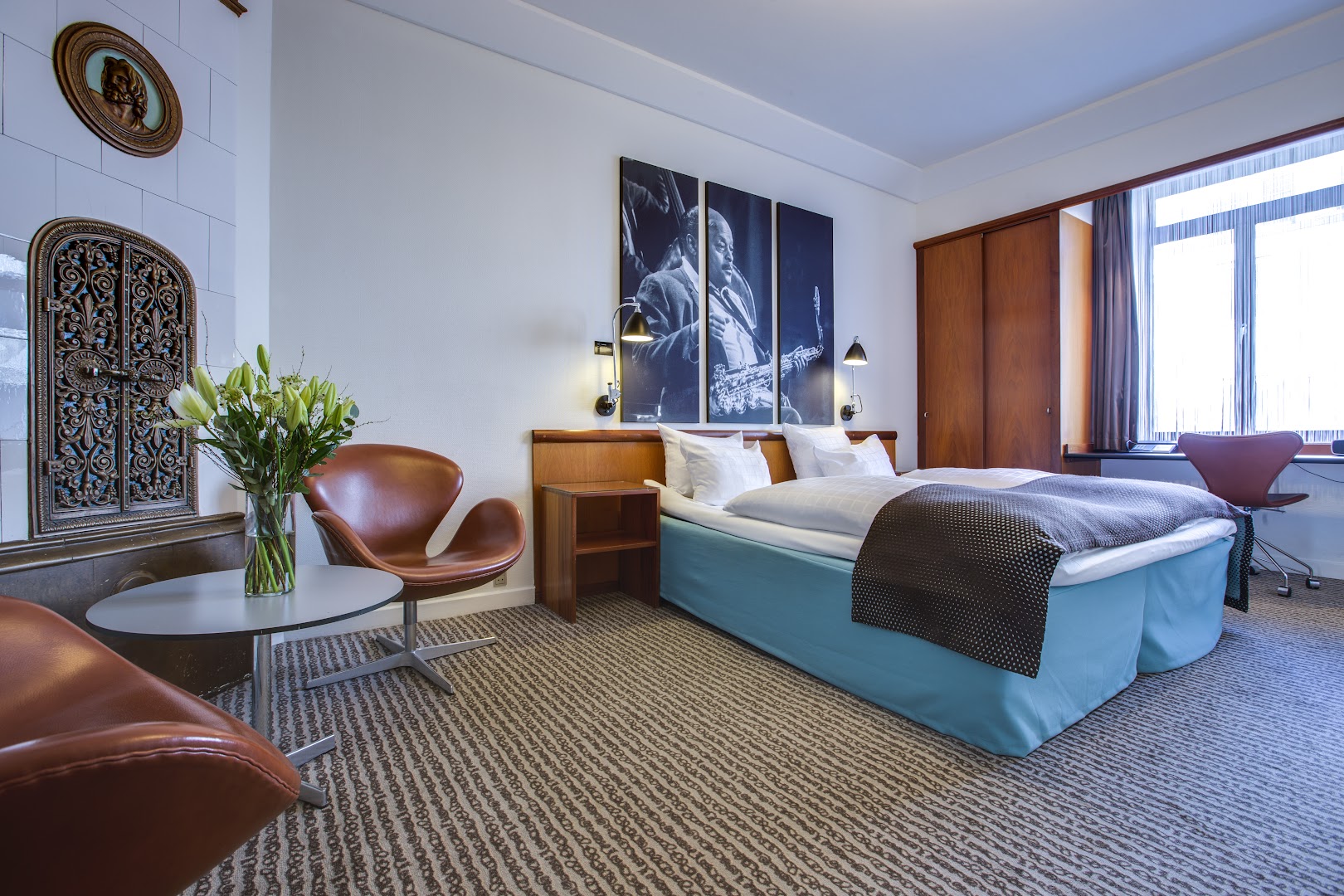
Design-conscious product launch, 60 to 150 pax. Hotel SP34, Nimb, or Hotel Sanders. All three have a distinct visual identity that avoids the generic conference hotel aesthetic.
Small board meeting or client dinner, 15 to 30 pax. Any Indre By boutique. All deliver a concentrated Copenhagen experience without the overhead of a large conference hotel.
Fly-in-fly-out event, airport-adjacent. Ørestad corridor. The metro connection resolves the airport proximity question definitively.
Sustainability-mandatory procurement. Axel Guldsmeden or Scandic Copenhagen. Both carry the certifications that green procurement policies require.
Copenhagen seasonal calendar
Copenhagen's calendar has two Fashion Week spikes, a strong summer period, and reliable soft windows in January and late July. Plan around these before setting your event dates.
Never book during (rates spike or city is disrupted):
Copenhagen Fashion Week: early February and early August. These compress city-wide availability significantly, particularly in Indre By.
Major Bella Center trade shows (varies by year: check the Bella Center calendar). City-wide hotel stock fills weeks in advance for the largest shows.
Copenhagen Pride (mid-August): the largest Pride event in Scandinavia, with significant impact on central hotel availability.
Copenhagen Cooking and Food Festival (late August): boutique properties in Indre By and Vesterbro command premiums during this period.
Soft weeks (best negotiating position):
Mid-January (weeks 2 to 4): consistently the lowest-rate period across all corridors
July (entire month): Danish summer vacation, leisure replaces corporate demand, hotels flexible on rate and inclusions
Last two weeks of December: between Christmas and New Year, city quietens, corporate properties willing to negotiate
Sensitive weeks (check before committing):
Late May to early June: Copenhagen Marathon weekend and several Nordic business summits compress availability
Late September to early October: post-summer conference season surge, particularly in Vesterbro
What to ask in your Copenhagen RFP
Full VAT and tax disclosure. Danish moms (VAT) applies at 25 percent on meeting room hire and food and beverage. Accommodation is rated separately under a special 7 percent scheme for hotel stays. Always request a fully inclusive quote so comparisons between properties are valid.
Copenhagen City Tax. The city charges a tourist accommodation tax. The amount varies by property category and is often not included in the initial quoted rate. Confirm the per-person-per-night amount before comparing proposals.
Sustainability certifications and reporting scope. Many Danish corporate procurement teams require ISO 20121 event sustainability certification or Green Key certification as a precondition for booking. Ask upfront what the hotel holds and whether they can provide a sustainability report for the event after it concludes.
Metro access and airport transfer logistics. The Copenhagen Metro M2 line connects Copenhagen Airport to Kongens Nytorv (Indre By) in 15 minutes, running 24 hours. Most hotels in the city do not offer airport shuttle precisely because the metro makes it unnecessary. Confirm whether the hotel can pre-purchase group metro cards or arrange a station meet-and-greet for early arrivals.
Bicycle provision for delegates. Copenhagen has the most developed cycling infrastructure in Europe, and many Danish corporate clients expect cycling as an activity option. Ask whether the hotel operates a bicycle fleet, whether nearby rental is available, and what guided cycling tour operators they work with.
Nordic dining reservation lead times. Copenhagen holds a concentration of elite restaurants that has few peers globally (Noma, Geranium, and Alchemist among them). Even mid-tier Nordic restaurants in Vesterbro and Indre By book out 4 to 8 weeks in advance during peak season. Ask during the RFP whether the hotel has confirmed reservation access at partner restaurants for your event dates, not just theoretical concierge assistance.
Meeting room hire waiver thresholds. Danish hotels are generally willing to waive meeting room hire fees against a minimum daily food and beverage spend, but thresholds vary widely (typically 2,500 to 6,000 EUR for full-day hire). Get the waiver threshold in writing in the proposal.
Ørestad to city centre evening transport. If using Bella Sky or the Bella Center corridor for a daytime conference and planning an evening programme in Indre By, confirm coach provision cost and scheduling. The metro is viable for individual movement but impractical for group arrivals at a single restaurant or venue.
Running a Copenhagen RFP to 8 hotels at once?
Easy RFP sends structured briefs, collects responses in one view, and lets you run a BAFO round. 14-day free trial, no credit card required.
You can use the guide above, or skip the manual steps entirely and let Easy RFP brief, send, score, and BAFO your next sourcing — free for your first event.